Kiritsuke: what makes it different from other knives
What makes a kiritsuke different?
A kiritsuke is a traditional Japanese chef's knife with that unmistakable angled, sword-like tip (the K-tip) and a long, straight blade. In real kitchen terms, the kiritsuke is about control: the geometry is built for accuracy and thin, uniform slicing. It’s also why kiritsuke knives became a quiet symbol of status in Japanese cuisine—not just a dramatic silhouette for the reviews section.
Worth adding: kiritsuke knives are typically longer than standard usuba knives, with common blade length from 240 mm up to 330 mm. That length is part of the “authority” of the tool—more edge on the board, more reach on proteins, and more chances to prove you actually meant to buy it.
Why does the K-tip feel so precise?
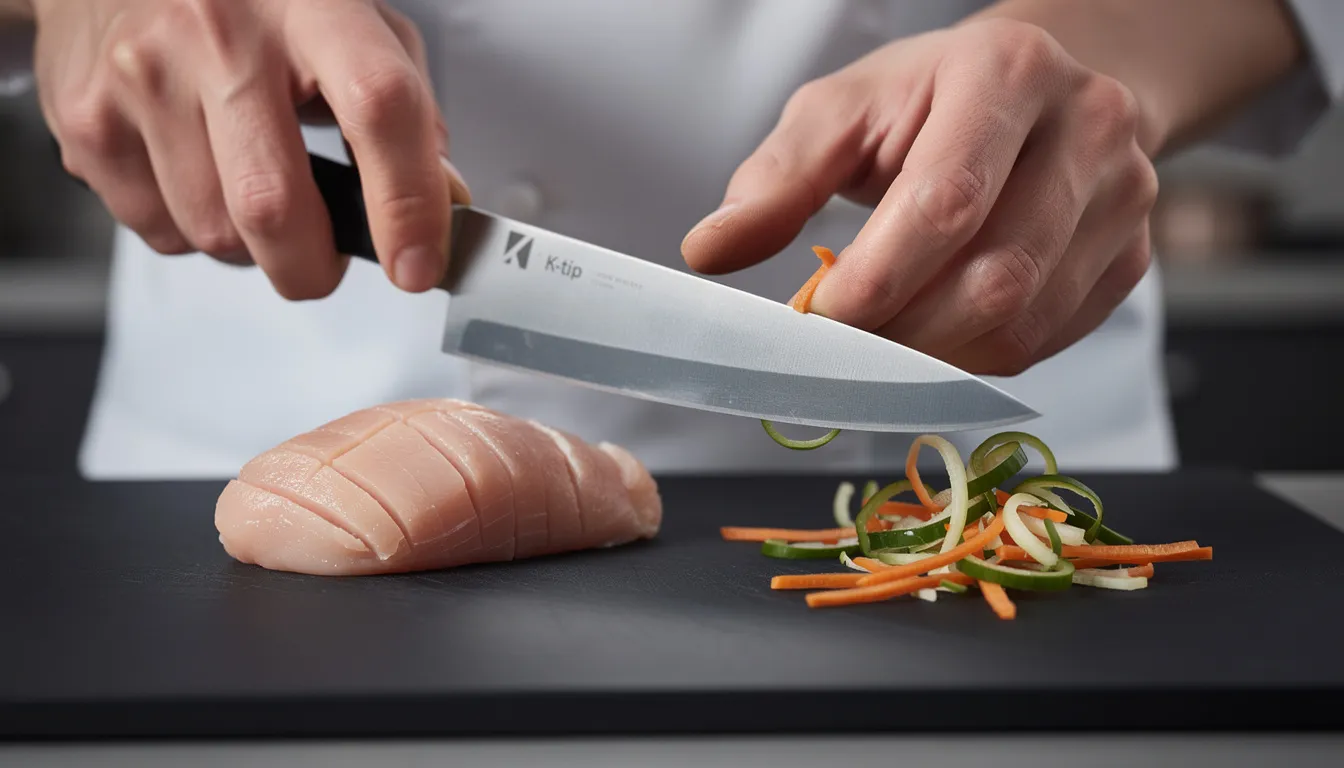
The K-tip is made for detail work: scoring proteins, shaping garnishes, and other tasks where a rounded Western tip can feel like drawing with a marker. That angled tip also helps “steer” the first millimeters of a cut, which matters when portioning raw fish, slicing fish cleanly for service, or trimming silver skin without chewing it up.
In the forge, that precision starts long before sharpening. A small change in tip height or how the spine tapers shifts how confidently the point lands on the board. Speaking plainly: the tip rewards calm hands and punishes rushing, which is also how accidents happen when people treat it like a beater.
How does the blade profile change cutting style?
A kiritsuke’s flatter profile leans into push-cutting and pull-slicing instead of the rocking motion many people learn on a Western chef's knife. The heel section is close to dead flat, so it can behave a bit like an usuba for straight-down vegetable knife work (think clean onion dice, not “accordion” strands that refuse to separate).
This profile also helps keep delicate foods intact: herbs bruise less, ripe tomatoes tear less, and sashimi-style slicing stays cleaner. The trade-off is simple—very flat edges ask for deliberate lifts, not lazy rocking.
Single bevel or double bevel?
Kiritsuke knives show up in both single bevel and double bevel formats, and 2026 buyers are finally asking the only question that matters: “What technique do I actually use?” The traditional single bevel kiritsuke is often considered the real sign of expertise, and historically it carried status because it was reserved for head chefs who could control it.
Modern options are often double bevel because they’re easier to handle and easier to sharpen consistently. A double bevel kiritsuke can cover many jobs you’d normally give a gyuto, with less of the one-sided steering single bevel edges can introduce. In other words: single bevel is a commitment; double bevel is what most people actually perform well with on a Tuesday.

What is a kiritsuke gyuto?
A kiritsuke gyuto takes the familiar, general-purpose role of a gyuto and adds the K-tip plus a slightly flatter feel through the edge. That’s why it’s everywhere: it’s the kiritsuke look with gyuto versatility, which fits both pro kitchens and serious home setups. The double bevel build is a big part of the trend, because it’s easier to keep sharp on typical stones without needing a ceremony.
There’s also a sizing pattern that keeps repeating. A 270 mm kiritsuke is a popular alternative to the gyuto, giving extra draw length for proteins without jumping straight into 300+ mm territory. In a workshop note from MG Forge, 270 mm is also where many cooks stop feeling “over-knifed” at a standard 24-inch prep station.
What steels and finishes matter in practice?
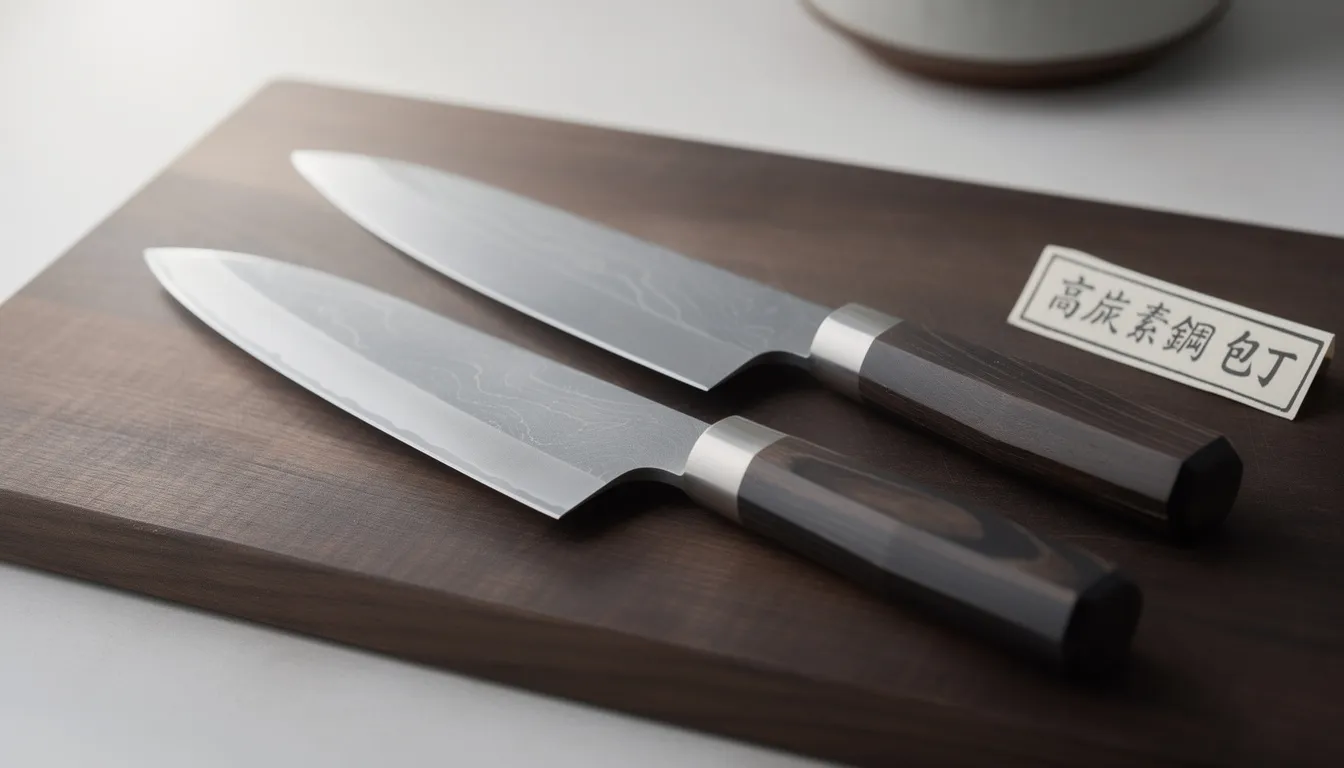
Kiritsuke knives are typically made from high-carbon Japanese steel, valued for edge retention and durability. That doesn’t automatically mean “fragile,” but it does mean the edge can be refined very thin—so cutting technique and board choice matter. When the heat treat is right, the knife holds a clean apex longer, which shows up as less pressure through carrots and daikon and a more consistent bite.
Cladding and cosmetics can get loud, so here’s the quiet truth from the bench: pattern-welded options like forged Damascus are often chosen for looks, but the cutting feel comes more from grind and core steel than the pattern. Traditional material choices like tamahagane and fibrous iron have their own romance and quirks, yet what you notice daily is food release, edge bite, sharpening feedback, and whether kasumi finishes make cleanup easy or just make you stare at fingerprints.
As one concrete market reference point, the Seido Kiritsuke knife is described as having a VG10 core with 67 layers of Damascus high-carbon steel, and it even lists an 8-degree blade angle for a sharper cutting face. Specs like that help you understand what’s being marketed, but they don’t decide everything—geometry and heat treatment still determine how the blade behaves after a month of prep.
What length actually fits the job?
Most kiritsuke knives live in the 240–330 mm range (roughly 8–13 inches, depending on how it’s measured). A 240 mm feels nimble for mixed veg and smaller proteins, while 300–330 mm starts to shine for long pull-slices on roasts or big fish portions. Space matters too: blade length should match board depth and how crowded the station gets, not just what looks heroic in a cart photo.
Two quick rules that hold up in kitchens:
240 mm if the station is tight or the knife will share tasks with a petty.
270 mm if the knife is expected to replace a gyuto for most prep days.
Prices vary a lot in 2026, and kiritsuke knives are no exception—some models run over €500, especially with premium kasumi finishes or complex laminations. That’s not automatically “too expensive,” but it does raise the bar for grind consistency and whether you can actually keep the edge sharp without turning it into a weekend project.
Where do people go wrong, and how is it maintained?
Here’s the hook: a kiritsuke can do a lot—dicing vegetables, skinning fish, slicing meats, fine tip work—but it’s not a “abuse me” knife in the multi purpose sense. Twisting in hard squash, scraping the board with the edge, or prying near joints is where chips happen, especially on thin tips. For heavy fish breakdown, a deba still makes more sense, and for long sashimi pulls a yanagi exists for a reason.
Maintenance is mostly boring, which is good. Keep it dry, store it so the edge doesn’t knock into other knives, and use stones instead of pull-through gadgets. In the MG Forge shop, the most common “mystery dullness” isn’t bad steel—it’s micro-rolling from glass boards and hurried lateral motion. Switching to end-grain wood usually fixes it fast, and it costs less than replacing a blade you thought was indestructible.
If primary references are needed for edge geometry and metallurgy basics, start with ASM International’s materials resources: https://www.asminternational.org/
What is a kiritsuke used for?
It’s used for precise slicing and clean push-cuts, especially when presentation matters. It handles vegetables, proteins, and fine tip tasks like scoring fish skin or shaping garnishes. It’s also used for sashimi-style slicing, where clean cuts help preserve texture in fish.
Why is a kiritsuke knife difficult to use?
Its long, flatter edge and pointed K-tip demand controlled technique and careful board contact. Traditional single bevel versions add another layer of challenge because they can steer during cutting if angle control slips. The tip is thin, so careless twisting or prying can damage it fast.
Is kiritsuke all purpose?
It covers a wide range of kitchen tasks, particularly in double bevel form, and many cooks use it as their main chef's knife. But it’s not ideal for bone contact, hard prying, or rough chopping. Pairing it with a petty (or a deba for fish) usually covers the gaps with more ease.
How does a kiritsuke differ from a santoku?
A kiritsuke is typically longer (often 240–330 mm) and flatter, favoring push-cutting and pull-slicing. A santoku is usually shorter and more compact, which can feel more free and controlled in small kitchens. The kiritsuke’s K-tip also enables more precise detail work than the santoku’s rounded tip, and the belly profile generally encourages less rocking and more straight-line slicing.
How do kiritsuke knives balance control, versatility, and maintenance in a hybrid design?
Kiritsuke knives stand out among knives because the sword-like K-tip and flatter profile emphasize control; this hybrid design is also a symbol and sign of craftsmanship in a professional kitchen, even if reviews sometimes focus on looks. In practice, they’re typically longer, which can feel free on the board when technique is calm, but it also means the material and geometry reward cooks who perform deliberate cuts and apply proper care: keep the edge dry, avoid twisting, and check board choice to reduce micro-damage. Before placing an order or adding one to a cart, it helps to understand what is considered “easy” or not—single bevel can be less ease to sharpen and may steer, while double bevel is thought to be easy and more consistent for most prep days; either way, making time for stones over gadgets is the key fact that keeps edge feel stable. Stock features like layered cladding can be attractive, but it’s still the grind and heat treatment that usually decide performance, a point MG Forge tends to emphasize when people want to consider what really matters.